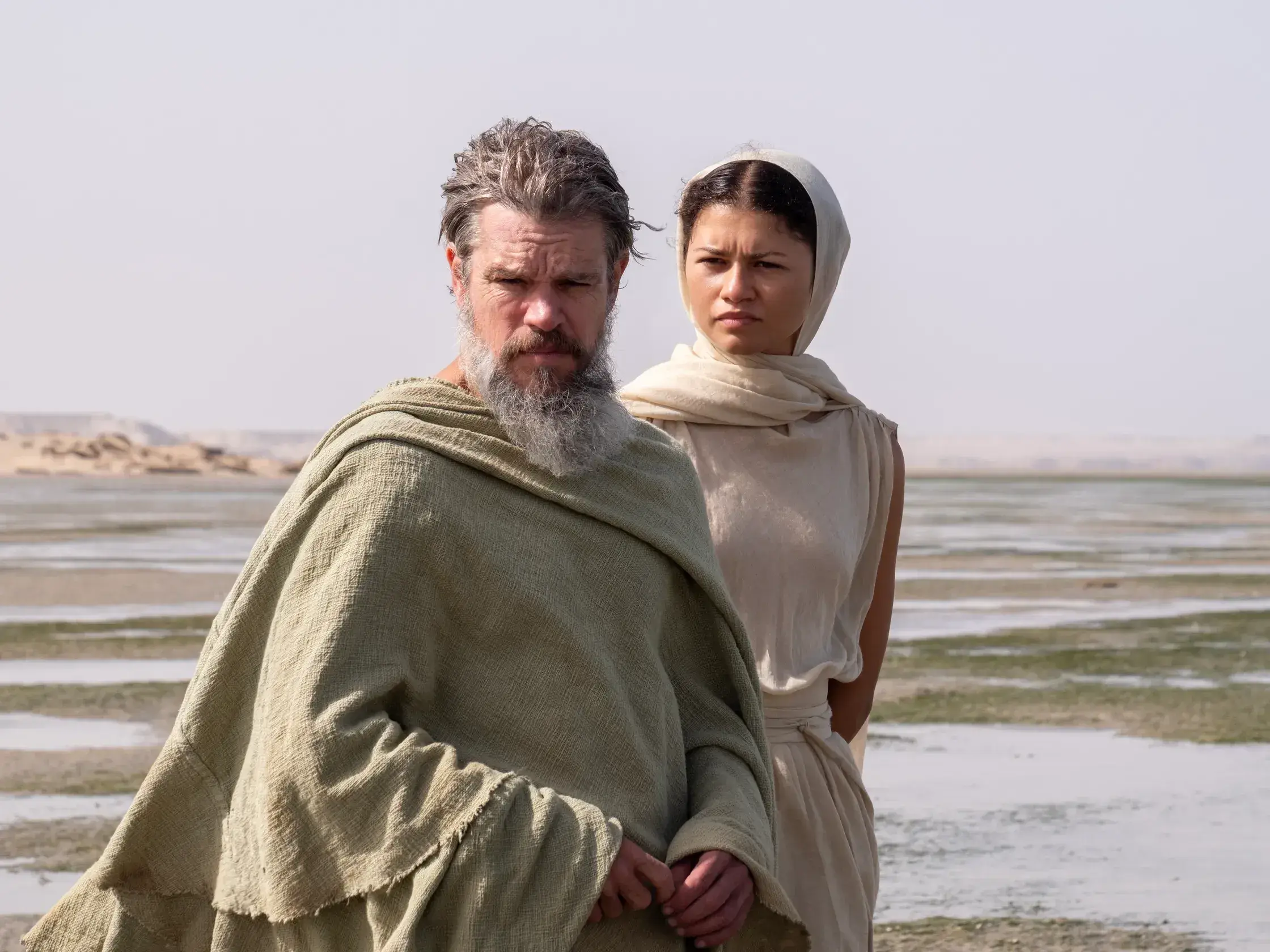
The Odyssey, The Last One for the Road, and the problem with going home.
The strangest thing about Christopher Nolan’s The Odyssey is that, while watching it, I couldn’t stop thinking about The Last One for the Road.This existential road movie by Francesco Sossai came out in 2025, offering a vivid glimpse into life in the Veneto region and picking up 8 David di Donatello awards along the way.
Carlobianchi (Sergio Romano) and Doriano (Pierpaolo Capovilla) are two veterans of life who have spent decades drinking, wandering and living with few regrets. They even discovered the secret of the world once, but too many drinks later, they can no longer remember what it was.
Then there’s Giulio (Filippo Scotti), a young architecture student determined not to waste time or stray from the path he has mapped out for himself. Until Carlobianchi and Doriano knock him right off it.
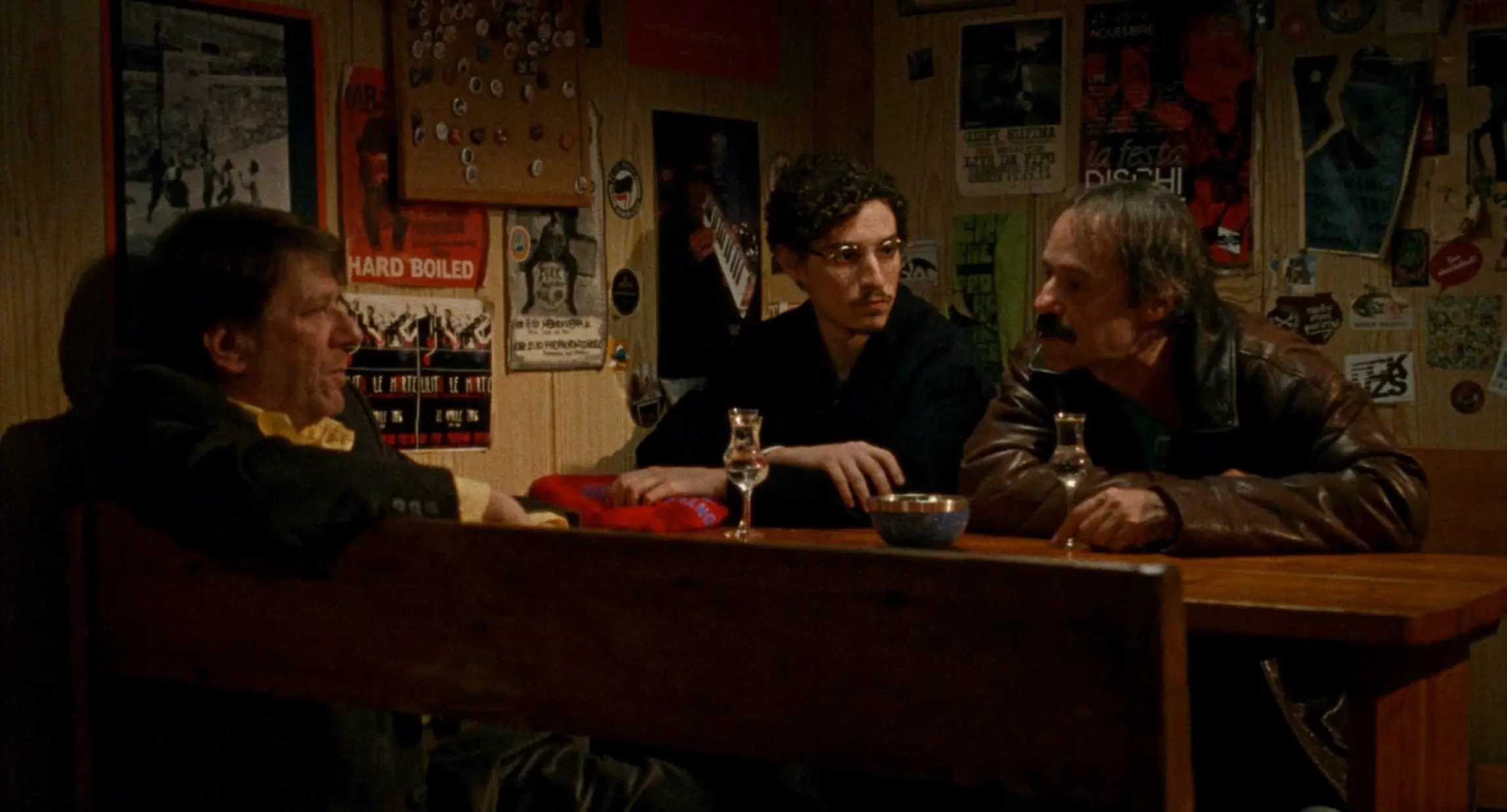
Together, they drift through the Venetian countryside, from one osteria to the next, where drinks stretch into hours and time seems to move a little differently, discovering the pleasure of getting lost and endlessly postponing the journey home.
Nolan, meanwhile, takes us somewhere else entirely. Different heroes, different gods, different places.
Troy, Odysseus, gods, the Mediterranean. And somehow, I kept thinking about Carlobianchi and Doriano. About osterias. Prosecco.
Three men drifting across the Venetian countryside, not entirely sure where they’re going. And, more importantly, not entirely sure they want to get there.
On paper, the two films couldn’t be further apart. And yet I kept seeing the same thing: the story of someone trying to get home. And all the things we invent to avoid getting there.
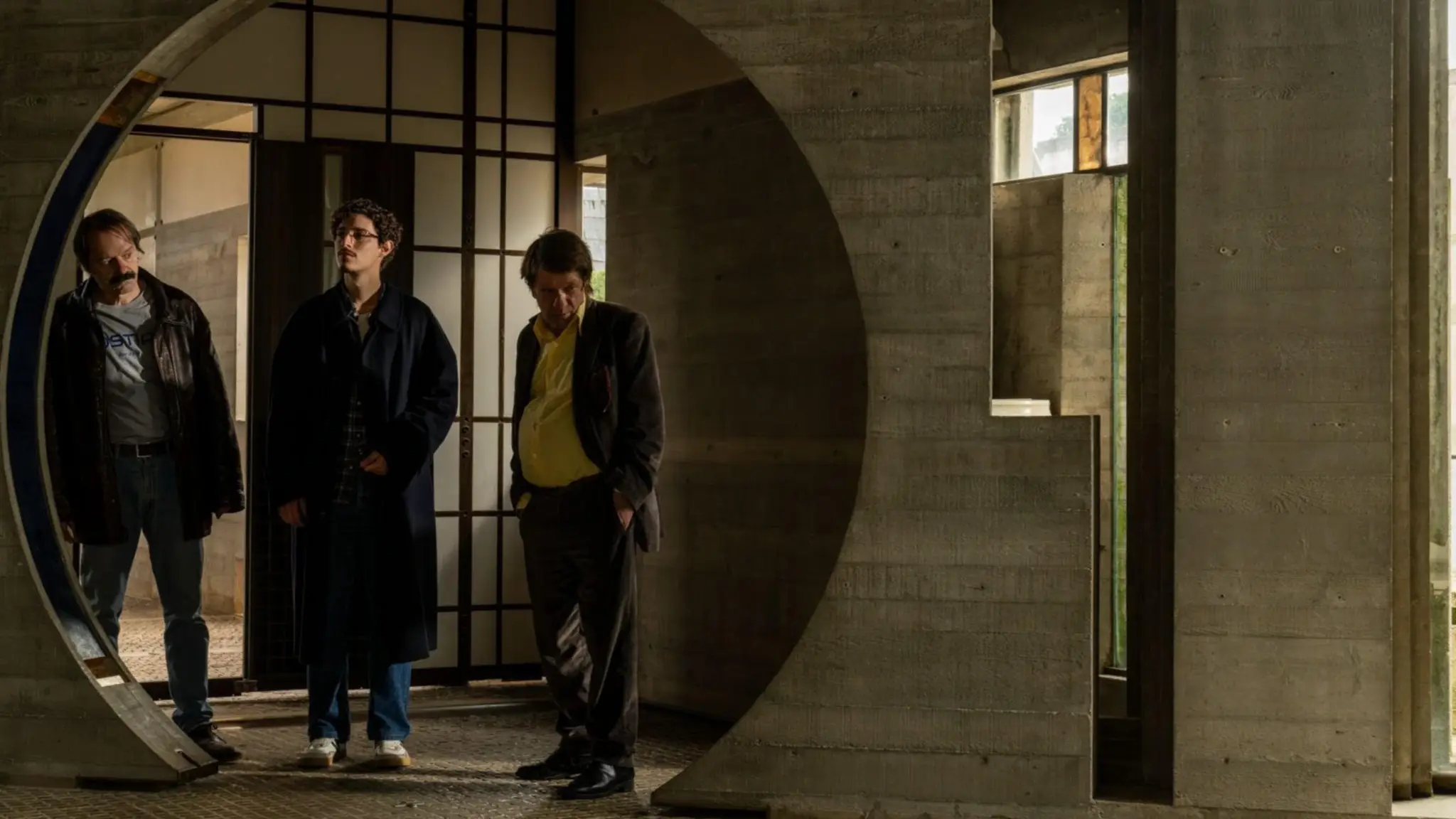
ODYSSEUS GETS IN THE CAR
Giulio gets into a car with Carlobianchi and Doriano almost by accident. He has a destination, a reason for being there, a life that exists before and after that journey.
Then the detours begin. A bar, a glass, a story. Another bar, another glass, another story.
Odysseus gets lost in the Mediterranean. Giulio in the Po Valley. One is a sea of water, the other a sea of land and fog. In both, the horizon isn’t much help. Except Giulio doesn’t find Cyclopes, Sirens or gods along the way.
He finds Carlobianchi and Doriano.
And, when you think about it, they do something strangely similar to the gods in The Odyssey. They guide him, lead him astray, tell him stories about the world, make him lose time. You’re never quite sure whether they’re helping him get somewhere or teaching him how to get lost.
Maybe they don’t know either.
THE LOTUS, EXCEPT IT’S WINE
In The Odyssey, there are the Lotus Eaters. The lotus does something terrifying precisely because it seems so harmless: it makes the idea of returning home irrelevant. Those who taste it forget home, forget the journey, forget why they should ever want to leave.
There are no lotus flowers in The Last One for the Road. There’s wine. The effect, however, feels dangerously similar.
Every glass postpones the destination. Every stop creates another one. Carlobianchi and Doriano seem to have turned the detour into a philosophy of life, and Giulio slowly falls into their rhythm.
At some point, getting there matters less. What matters is staying in the car, drinking, talking, carrying on.
Classical epics told stories of men crossing the world to get home. Here, three men cross home without being entirely sure they want to get anywhere.

THE GODS DRINK PROSECCO
Odysseus is constantly being pushed around by the gods. They protect him, obstruct him, seduce him, point him in the right direction and then immediately make the journey harder.
Giulio has Carlobianchi and Doriano.
Obviously, they’re not Athena and Poseidon. They’re something much less orderly. Sometimes guides. Sometimes Sirens. Sometimes Lotus Eaters. Sometimes just two men who have had too much to drink.
Maybe the gods never disappeared. They just changed jobs. Today, they’re called nostalgia, regret, memory. Or maybe they look like two strangers you meet by chance who, for reasons you don’t quite understand, decide to take you along for the ride.
They push you off course with the same persistence as the ancient gods. Except they don’t promise you an Ithaca at the end.
IMAX VS OSTERIA
There’s something almost absurd about the difference in scale between these two films.
The Odyssey is cinema designed to feel enormous: IMAX, sea, war, bodies, monsters, landscapes. The Last One for the Road starts at the opposite end of the spectrum: a car, a few osterias, three men, a stretch of northern Italy that has no interest in looking spectacular.
And yet I walked out of these two films with a surprisingly similar feeling.
Not because they’re equivalent. Not because one is somehow more authentic than the other. What fascinates me is that cinema can work at completely opposite scales and still lead you towards similar questions.
In one, the Odyssey is explicit, enormous, mythological. In the other, it feels as if an Odyssey has accidentally slipped into a car driving across the Veneto.
I’m not saying The Last One for the Road is an Odyssey. But after Nolan, I started seeing one inside it.
ITHACA, MAYBE
Odysseus can lose everything. He can take the wrong turn, get shipwrecked, spend seven years with Calypso.
But one thing remains: Ithaca. It’s there. The journey can become absurd, endless, brutal, but there is still somewhere to return to.
Giulio seems to belong to a different kind of epic. Maybe his journey isn’t about finding his way home, but about discovering what it means to have one.
Carlobianchi and Doriano know the roads, the bars, the people, the stories. They belong deeply to the plains, and yet they keep moving. As if knowing a place by heart doesn’t necessarily mean knowing how to return to it.
There’s something else about The Odyssey I can’t stop thinking about. Odysseus’ return doesn’t really end when he sets foot on Ithaca. He has to be recognised.
Argos. Eurycleia. Penelope. Odysseus becomes Odysseus again through the eyes of others. And I find that beautiful, because it means home isn’t just a place.
Home is where someone can still recognise you. This is where The Last One for the Road starts to feel much closer to us.
Today, we can physically return to almost anywhere we once left. We can walk down the same street, step into the same bar, drink the same wine, even find the same people.
And still never really return.
Because the place has changed. The people have changed. We have changed. And, most of all, our memories have had years to become more real than reality itself.
The contemporary tragedy, then, isn’t finding the way home. Google Maps can take care of that.
The problem is getting there and discovering that no one recognises anyone anymore. Not even themselves.
OUR ODYSSEY
Maybe this is what The Odyssey made me see inside The Last One for the Road.
Odysseus returns to Ithaca and finds that the rules have changed while he was away. Hospitality has become something to exploit, strangers something to fear, violence something increasingly easy to justify. The logic of war has followed him home. And to put an end to it, he has to turn once again to the very violence that left him shattered.
And then, finally, he is recognised.
Welcome home.
But welcome home to who, exactly?
Maybe that’s the scam of returning. We think we want to find home exactly where we left it, preferably untouched and waiting for us. What we really want to know is whether we’re still the same people who walked out the door.
Carlobianchi and Doriano still have the roads, the bars, the memories. The Veneto is still there.
Unfortunately, time happened. To the place, to them, to us.
Every era writes its own Odyssey. Homer’s was about getting back to Ithaca.
But if neither we nor Ithaca stayed the same, what the hell does “coming home” even mean?
Silvia Andrenelli
Editor
Writing about films, but rarely just about films. Cinema, culture, politics, fashion, memory, bad decisions and everything in between. Mostly interested in the things films accidentally make us think about.
@andsissiMore from Silvia Andrenelli
Share this article
RELATED


APPLE OPENS MUSIC VENUE AT BATTERSEA


THERE'S A WOMAN IN YOUR RADIATOR

VENICE FILM FESTIVAL SELECTS THE DIFFICULT BRIDE
